When a storm—literal or figurative—damages your fence, the question often comes down to whether to repair or replace. The right answer depends on the type of fence you have, the extent of the damage, and how well it still meets your needs. Here’s how to evaluate your options for aluminum, wood, and vinyl fencing.
Easy Repairs
Some fence issues can be resolved with basic maintenance or minor fixes.
Wood Fences
Prevention goes a long way. Redirect pooling water away from the fence line to prevent warping, and address insect infestations like termites as soon as you notice sawdust or small holes. Minor holes can be filled with wood filler, but significantly warped boards are better replaced.
Vinyl Fences
Vinyl requires less maintenance than wood but offers fewer repair options. Cracked panels typically need replacement. Depending on the design, you may be able to replace a single picket rather than an entire panel—a more affordable fix that may require a bit of skill.
Aluminum Fences
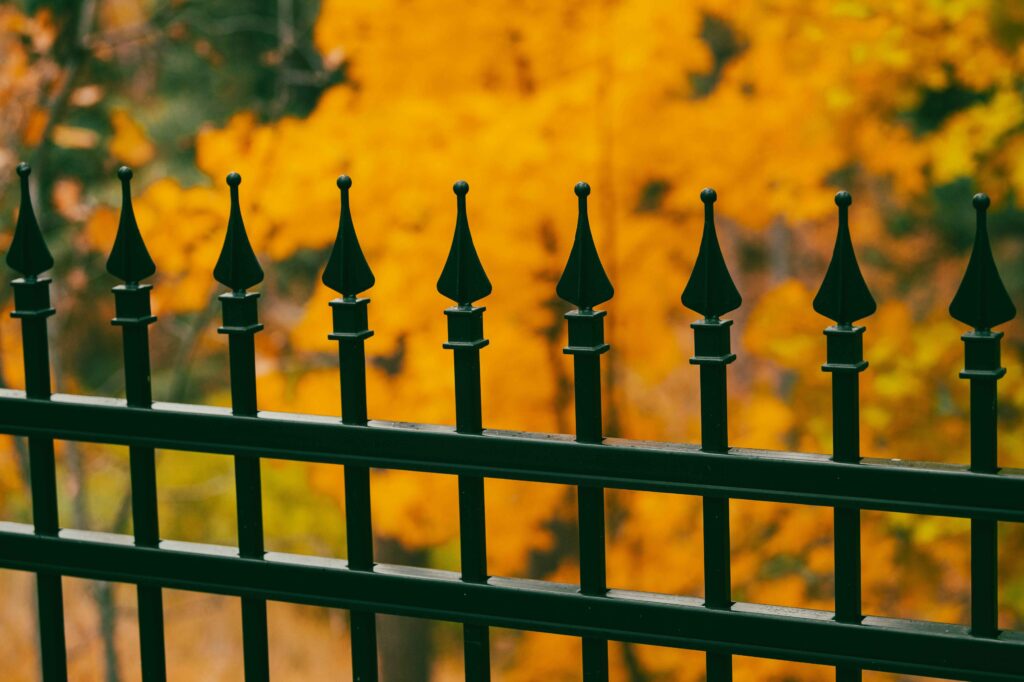
Aluminum is durable, but collisions or falling branches can still cause damage. Like vinyl, damaged pickets or sections often need replacement. If the issue is caused by soil erosion, you may be able to level the fence and add gravel or soil to stabilize it. Replacement parts usually match well over time, as aluminum holds its color far better than painted wood.
When to Replace
Consider total replacement if:
- A wooden fence requires repairs that are visible across the entire fence, making repainting necessary to restore uniformity.
- Posts are damaged. Posts are typically set in concrete and difficult to replace without full excavation.
- The fence is nearing the end of its expected lifespan (20 to 50 years with proper maintenance). If it’s beyond that range, replacement is often the better investment.
- More than 25 percent of the fence is damaged or no longer functional.
- The fence no longer meets your needs—whether due to height, style, security gaps, or changing property requirements.
Even a structurally sound fence may be worth replacing if it no longer serves its intended purpose.
Routine Maintenance
Preventative care can extend the life of any fence.
Wood Fences
Require regular staining, sealing, or painting—typically every year or two—to protect against moisture and sun damage.
Vinyl Fences
Low maintenance. A rinse with a garden hose usually suffices; stubborn dirt can be cleaned with a soft rag and mild detergent.
Aluminum Fences
Similarly low maintenance. Occasional cleaning with mild soap and water keeps the finish looking new.
Don’t overlook landscaping. Weeds and vines growing against the fence can cause warping or cracking over time. If your fence is repeatedly damaged by vehicles or animals, consider adding lighting or reflective markers to improve visibility.
A well-maintained fence can serve your property for decades. Quick repairs and consistent care often delay the need for full replacement, but when repair costs and effort begin to approach the cost of a new fence—or when the fence no longer meets your needs—it may be time to start fresh.