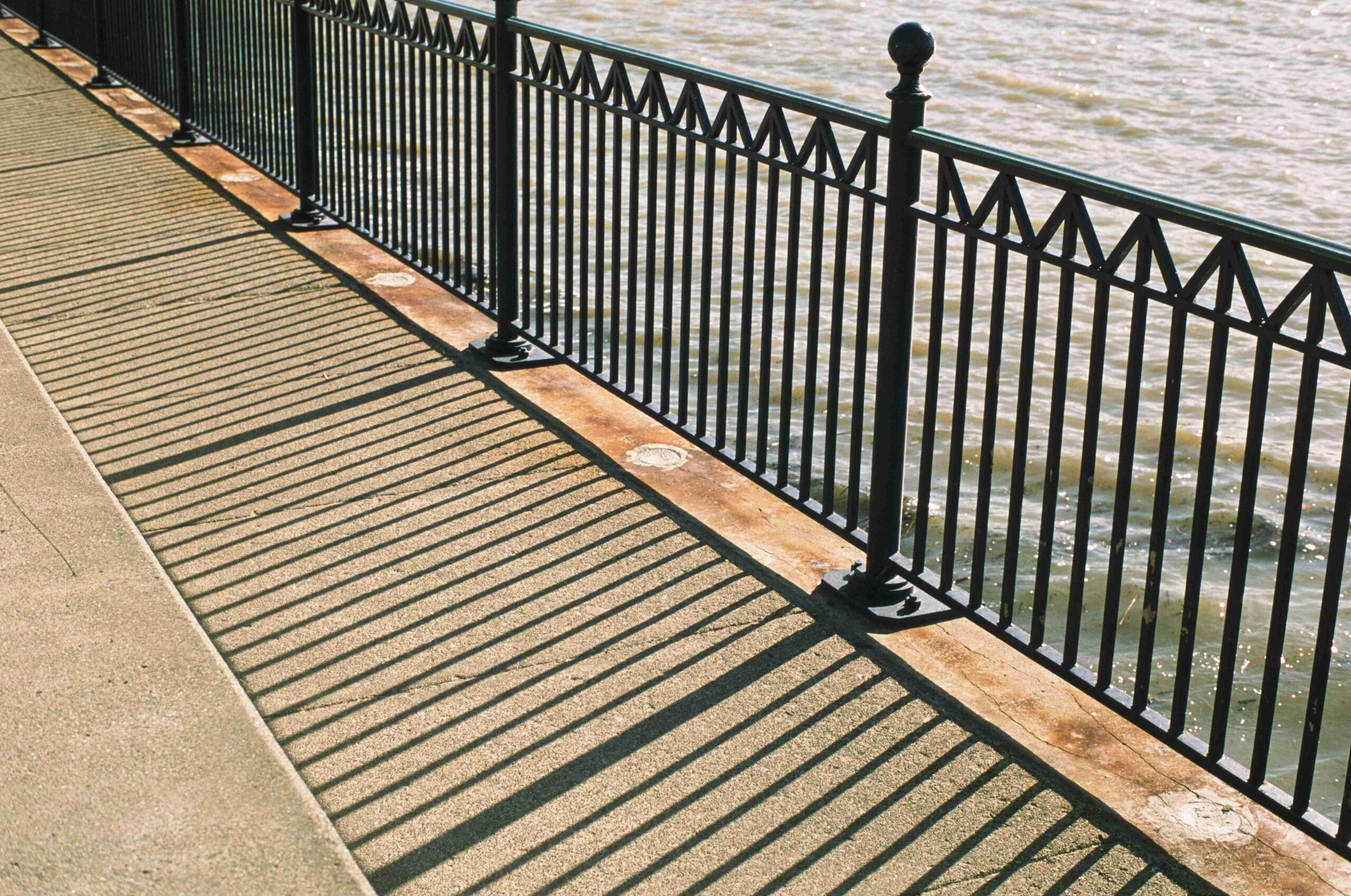
Depending on where you live, storms—whether hurricanes, tornadoes, or severe weather—can be a regular occurrence. While aluminum fencing is naturally durable, taking a few preventative steps before a storm hits can help minimize damage and keep your property looking its best. In this article, we’ll cover the inherent strengths of aluminum fencing and outline simple measures you can take to protect it from storm damage.
Aluminum’s Built‑In Advantages
Aluminum is a naturally strong and long‑lasting fencing material. It resists rust and corrosion, so heavy rain and moisture are rarely an issue. Despite being lightweight, it stands up well to high winds. And even in the unlikely event that a severe storm causes damage, aluminum is fully recyclable—and can even be sold as scrap, helping offset the cost of replacement.
Steps to Protect Your Fence Before a Storm
1. Inspect for Weak Spots
Regular inspections help catch small issues before they become big problems. If a storm is forecast, take time to check your fence. Pay attention to joints and areas closer to the ground, where moisture exposure is highest. Look for signs of corrosion—often small green or white specks—and address them promptly.
2. Check Post Holes
During high winds, the most vulnerable part of any fence is where the posts meet the ground. Posts should be secured in concrete to provide stability. If the concrete has cracked or the surrounding soil has shifted, your fence may be able to move, increasing the risk of toppling or panel damage in a storm.
3. Clear the Yard
Before a storm arrives, secure or store outdoor items such as lawn ornaments, patio furniture, and grills. Loose objects can become projectiles in high winds, striking and damaging your fence.
4. Trim Trees and Branches
Overhanging branches and deadwood pose a risk not only to your fence but also to your home. Trim back any limbs that could fall during a storm, and check the stability of trees on your property. A falling branch can easily destroy a fence panel.
5. Remove Removable Accessories
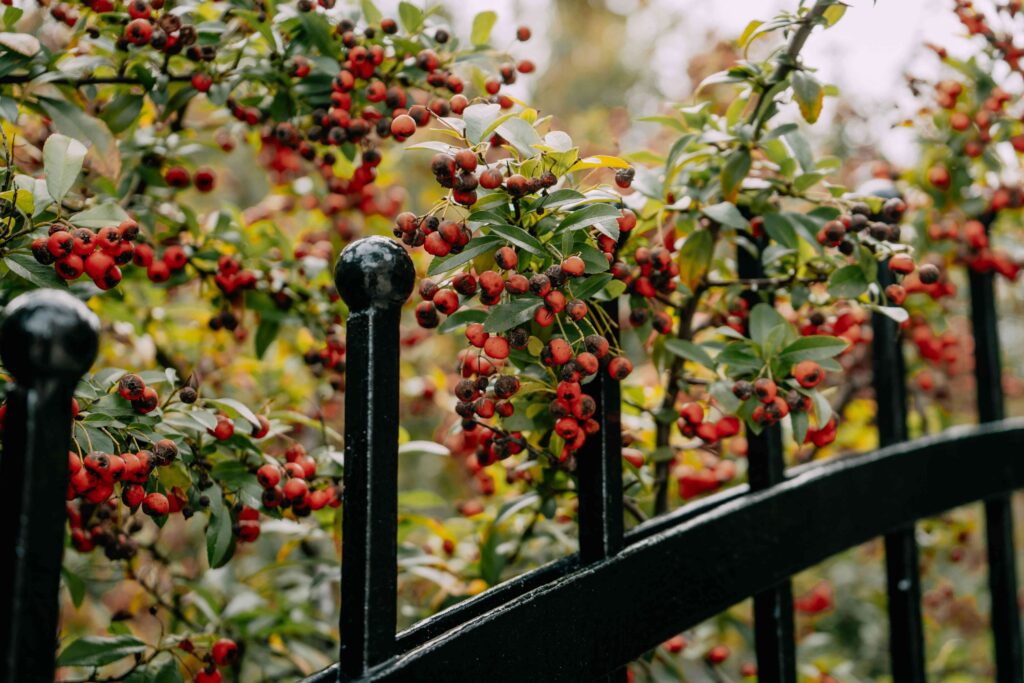
If your fence has detachable accessories like finials or decorative toppers, consider removing them ahead of a severe storm. Loose components can add extra weight or create sharper edges if the fence becomes dislodged.
6. Prioritize Personal Safety
Most importantly, never put yourself at risk. Only take preventive measures if it is safe to do so. Your property can be repaired or replaced; your safety and that of your loved ones come first.
Consider Upgrading to Aluminum
If your current fence is old, poorly maintained, or made from a material like wood that is prone to rot and weathering, the best long‑term protection against storm damage may be to upgrade to aluminum. Aluminum fencing is strong, durable, rust‑resistant, and requires minimal maintenance. It installs easily, stands up to the elements, and offers lasting value—making it a smart choice for homeowners in storm‑prone areas.