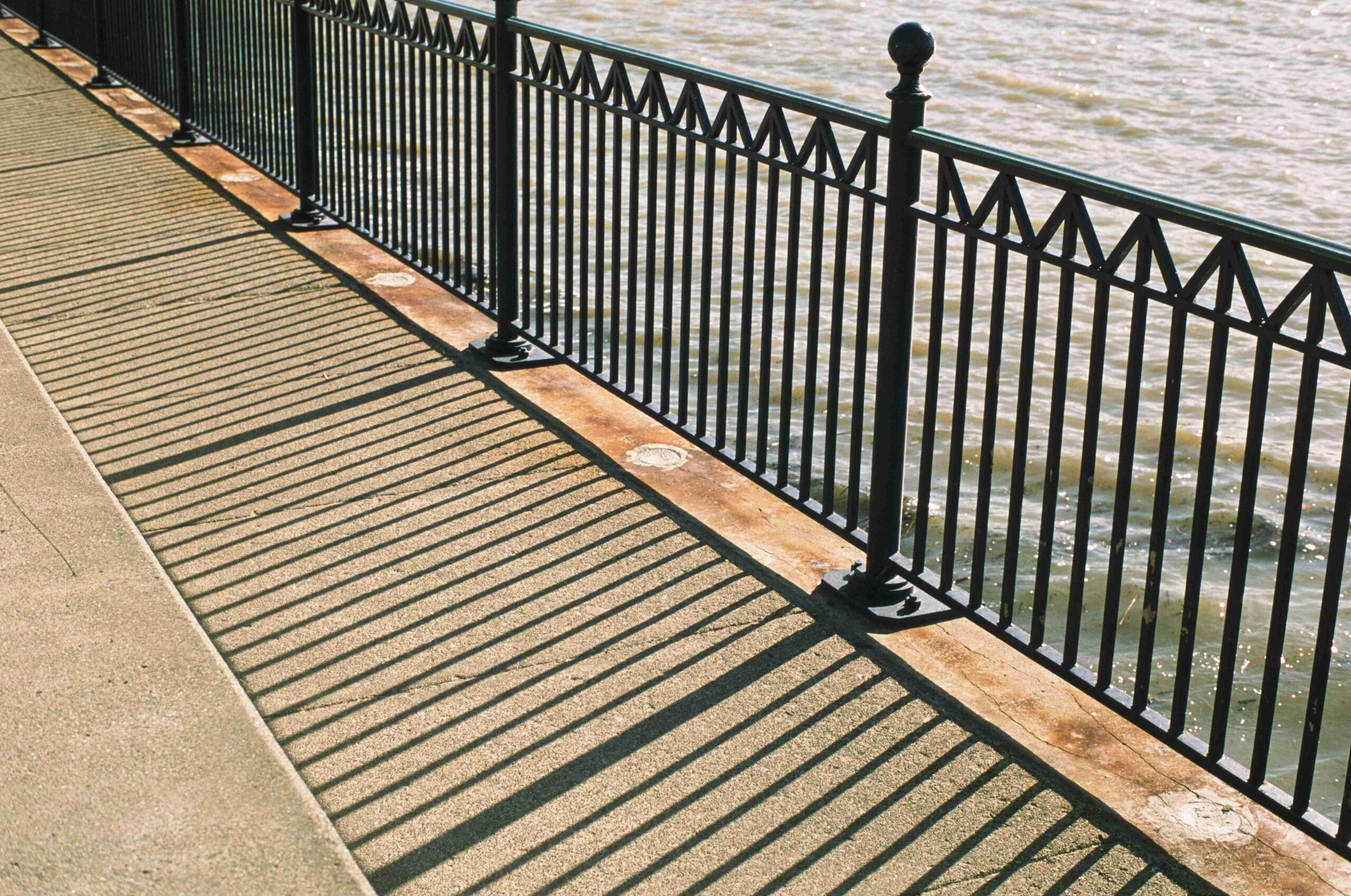

Choosing the right type of fencing for your property is an important first step, but where you place it can be just as critical to the success of your project. Poor placement can lead to conflicts with property laws, homeowner association rules, or even unexpected underground hazards. Taking time to plan ahead helps ensure your fence installation goes smoothly and lasts for years to come.
Consider Your Material First
If you’ve chosen aluminum fencing, you’re already working with one of the most versatile and durable options available. Aluminum’s corrosion resistance makes it ideal for areas like poolside enclosures, where exposure to moisture is constant. It’s also easy to clean, so fences placed in open, weather‑exposed areas can be kept looking new with minimal effort. Unlike wood, aluminum won’t warp, rot, or attract insects—making it a reliable choice regardless of where it’s installed.
If you’re working with a different material, it’s worth considering how its unique characteristics might affect placement decisions.
Check for Underground Wires and Pipes
Any fencing project that requires digging post holes—typically a foot or more deep—should begin with a check of what lies beneath your property. Striking a water line or electrical cable can turn a straightforward installation into a costly headache.
If your home is a new build or you have property plans on hand, those documents often show the location of underground utilities. If not, a quick call to a service like 811 can help identify any buried lines you’ll need to avoid. Once you’ve confirmed the area is clear, dig post holes to an appropriate depth to ensure long‑term stability.
Understand Property Laws and HOA Rules
One of the most common reasons fences are removed after installation is failure to comply with local regulations or homeowner association guidelines. Taking time to understand these rules upfront can save you from having to redo your work later.
Local Regulations
Many areas have height restrictions for fencing. In front yards, artificial fencing is often limited to 4 feet, while backyards may allow up to 6 feet. Properties in historic districts or preservation areas may have additional requirements regarding materials, placement, or distance from protected trees and structures.
HOA Guidelines
If your home is in a newer residential development, your homeowner’s association may have its own fencing rules. These can include approved materials, color palettes, or styles that match the overall look of the neighborhood. Fences visible from the street are often subject to stricter review.
Plan Ahead for a Smooth Installation
As Benjamin Franklin noted, failing to plan is planning to fail. For a fencing project, proper planning means:
- Knowing your material and where it performs best
- Measuring your property accurately
- Locating underground utilities
- Understanding and complying with local and HOA requirements
Taking these steps not only helps avoid the disappointment of a rejected or removed fence but also protects the time and money you’ve invested in your project. With careful preparation, your aluminum fence can enhance your property for years to come.