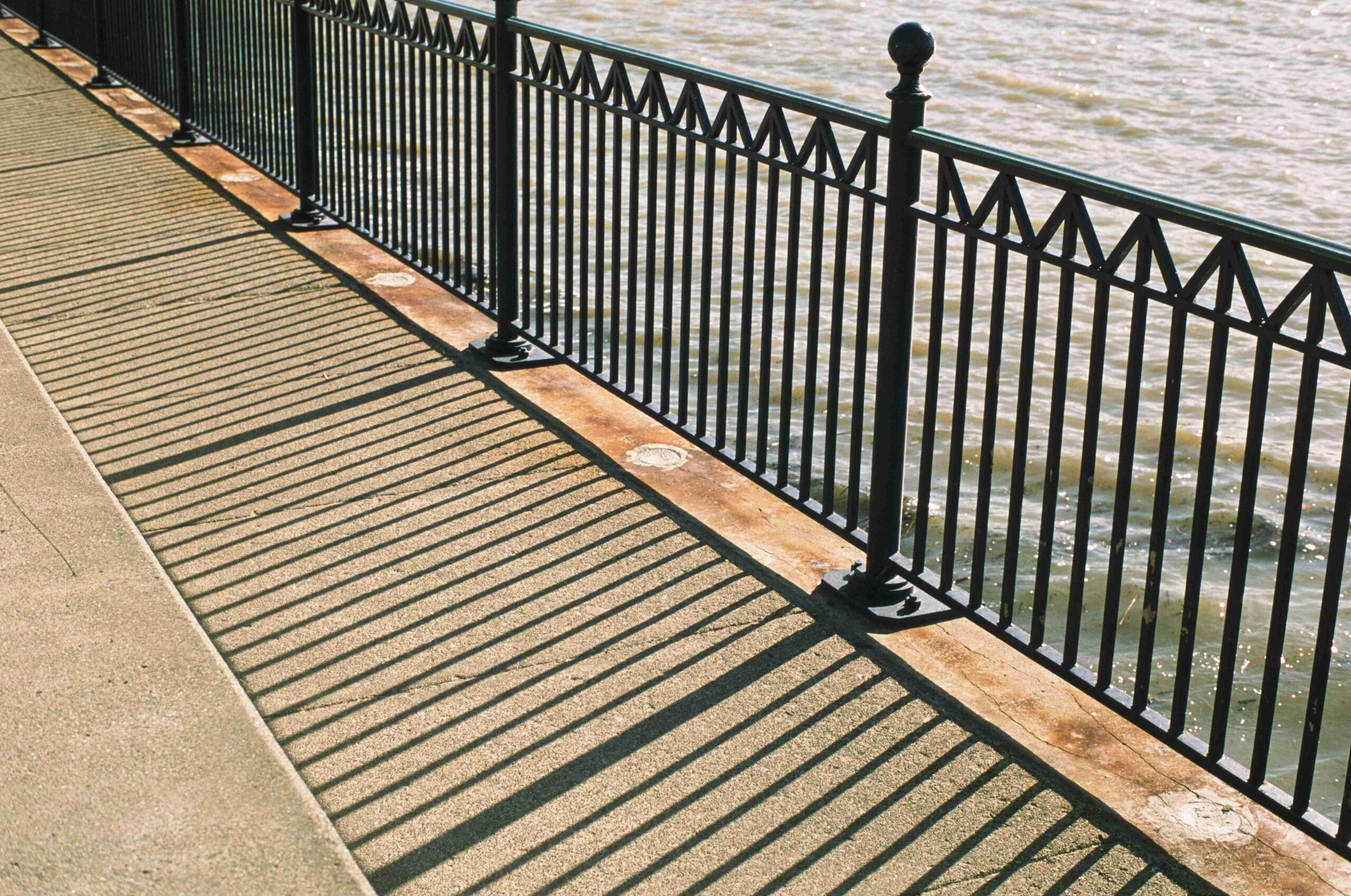

Installing an aluminum fence is one of the most rewarding improvements you can make to your property. Beyond adding curb appeal and security, a well-placed fence offers one of the highest returns on investment of any home improvement project. But when your yard has a slope, the installation process may seem a bit more complicated. Fortunately, with proper planning and the right approach, installing an aluminum fence on a slope is entirely manageable.
Make a Plan
Before purchasing your fencing, take time to map out the installation area. While measuring a flat yard is straightforward, a sloped yard requires a bit more calculation—but nothing too complex.
The key concept is rise over run: how much the ground rises vertically over a given horizontal distance. To measure this, you’ll need a few simple tools:
- A stiff board the length of your fence panel (typically 6 feet)
- A level
- A tape measure
Place the board where the fence panel will go. At the lower end of the slope, set the level on top of the board. Lift the lower end until the board is perfectly level. Then measure the vertical distance between the bottom of the board and the ground. This distance is the “rise,” and the length of the board is the “run.”
For example, if the rise is 1 foot over a 6‑foot run, the slope is 1/6. Standard aluminum fence panels can typically accommodate up to about 19 inches of rise over a 6‑foot section, making them well suited for most residential slopes.
Racking (or Raking)
Racking (also called raking) is the method where the fence panels follow the contour of the slope. The pickets and posts remain vertical, while the top and bottom rails tilt to match the grade. This creates a clean, continuous line that flows with the landscape.
When a fence is racked, the horizontal distance covered by the panel changes slightly due to the slope. If you know the total distance your fence needs to cover and the slope measurement, accurate calculations will ensure you have the right number of panels for the job.
Stepping
For steeper slopes—or for certain fence styles that do not allow racking—stepping is the preferred method. In stepping, each panel remains level, and each successive panel is installed lower than the previous one, creating a stair‑step effect.
This method leaves a triangular gap beneath the lower end of each panel. To close these gaps, many homeowners use paving stones, bricks, or cinder blocks beneath the fence. This not only maintains a continuous barrier but also adds a decorative element to the landscape. Stepping is also a good option for fence styles that cannot be racked, such as certain decorative designs.
Choosing the Right Method
Whether you choose racking or stepping depends on the steepness of your slope, the style of fence you’ve selected, and the overall look you want to achieve. Racking offers a smooth, flowing appearance along gradual slopes, while stepping provides a clean, structured look on steeper grades or with specific fence styles.
With careful planning and accurate measurements, installing an aluminum fence on a slope is a straightforward project. Taking the time to map out your yard, understand the slope, and select the appropriate installation method will help ensure a finished fence that looks great and performs as expected for years to come.