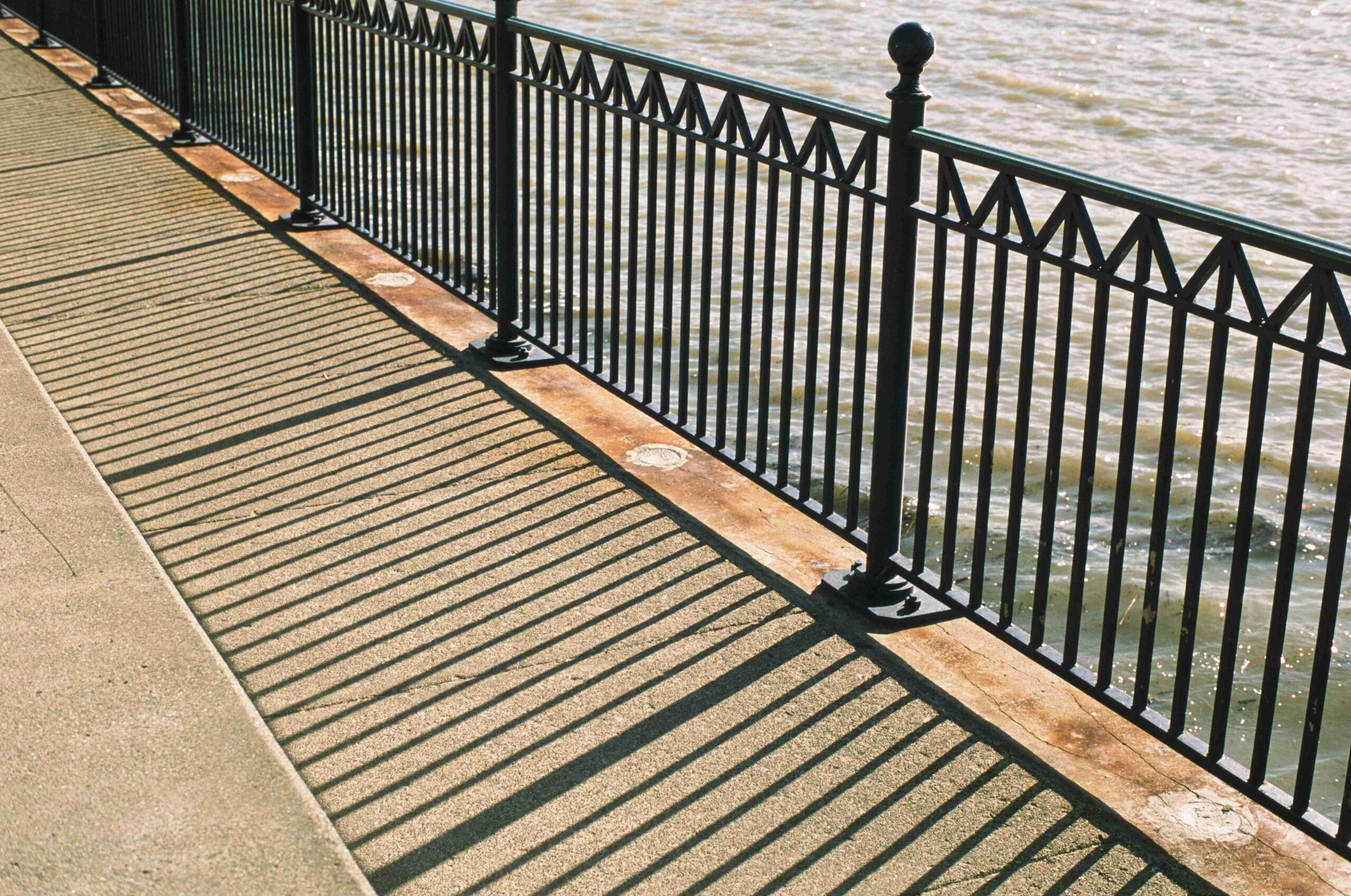

A homeowners’ association (HOA) helps keep a neighborhood looking cohesive and well‑maintained, but it can also add an extra layer of consideration when you want to make changes to your property. If you’re planning to install an aluminum fence, understanding how to work with your HOA can make the approval process smoother and increase your chances of getting a yes.
What Is a Homeowners’ Association?
An HOA—sometimes called a POA (Property Owners’ Association)—is typically established by a developer to manage and maintain a residential subdivision. Homeowners in these communities usually join the HOA when they purchase their property. In exchange for certain benefits, such as access to shared amenities or maintenance services, residents agree to follow the association’s rules, which often include guidelines on exterior modifications.
While these rules help preserve the character of the neighborhood, they can also restrict changes like fencing. That’s why proposing a new fence to your HOA is an important step before any installation begins.
Do Your Homework First
Before you submit a proposal, take time to review your HOA’s governing documents. Each association has its own set of rules, and these can vary significantly by state and community. Check for any existing guidelines on fencing—some HOAs may allow fences of a certain height or material without requiring formal approval. If you can’t locate your documents, reach out to the property developer or management company for assistance.
Understanding the specific requirements upfront will help you prepare a proposal that aligns with what your HOA expects.
How to Present Your Proposal
When submitting a request to install an aluminum fence, thoroughness matters. Include as much detail as possible:
- Fence dimensions – Height, length, and layout.
- Materials – Specify aluminum and note its durability and corrosion resistance.
- Color and style – If possible, include a sample or image of the proposed fence.
- Drawings or plans – For larger projects, a simple site plan showing fence placement can be helpful.
Make copies of your submission before sending it. Depending on your HOA’s review process, it may take several weeks to receive a response. If you’re aiming for a summer installation, submitting your proposal in spring allows time for processing.
Why Aluminum Fencing Is a Smart Choice for HOA Communities
Aluminum fencing offers several advantages that can make your proposal more appealing to an HOA board:
Quick, Low‑Impact Installation
Aluminum is lightweight and easy to install, often allowing projects to be completed in a weekend. This minimizes disruption to your property and neighboring homes, which is a plus for any community.
Long‑Lasting Appearance
Unlike steel or wrought iron, aluminum is naturally corrosion‑resistant. It won’t rust or deteriorate over time, helping maintain the clean, uniform look that HOAs value.
Eco‑Friendly Material
Aluminum is the most abundant metal in the earth’s crust and can be recycled indefinitely without losing quality. For HOAs focused on sustainability, this is a strong selling point.
Stylish and Versatile
Aluminum can be shaped into a variety of designs that replicate the look of more expensive materials like wrought iron or steel. Available in multiple colors and finishes, it can be matched to complement the architectural style of your home and neighborhood.
Cost‑Effective
Aluminum fencing is typically more affordable than traditional metal options, making it a budget‑friendly choice for homeowners while still delivering a high‑end appearance.
Final Thoughts
Adding a fence can enhance your property’s security, define outdoor spaces, and improve curb appeal. While proposing a new fence to your HOA may seem like an extra hurdle, presenting a well‑researched request with a material like aluminum—one that combines aesthetics, durability, and low maintenance—can make the approval process much more straightforward. A thoughtfully installed aluminum fence not only benefits your home but also fits well within the character of a well‑managed community.