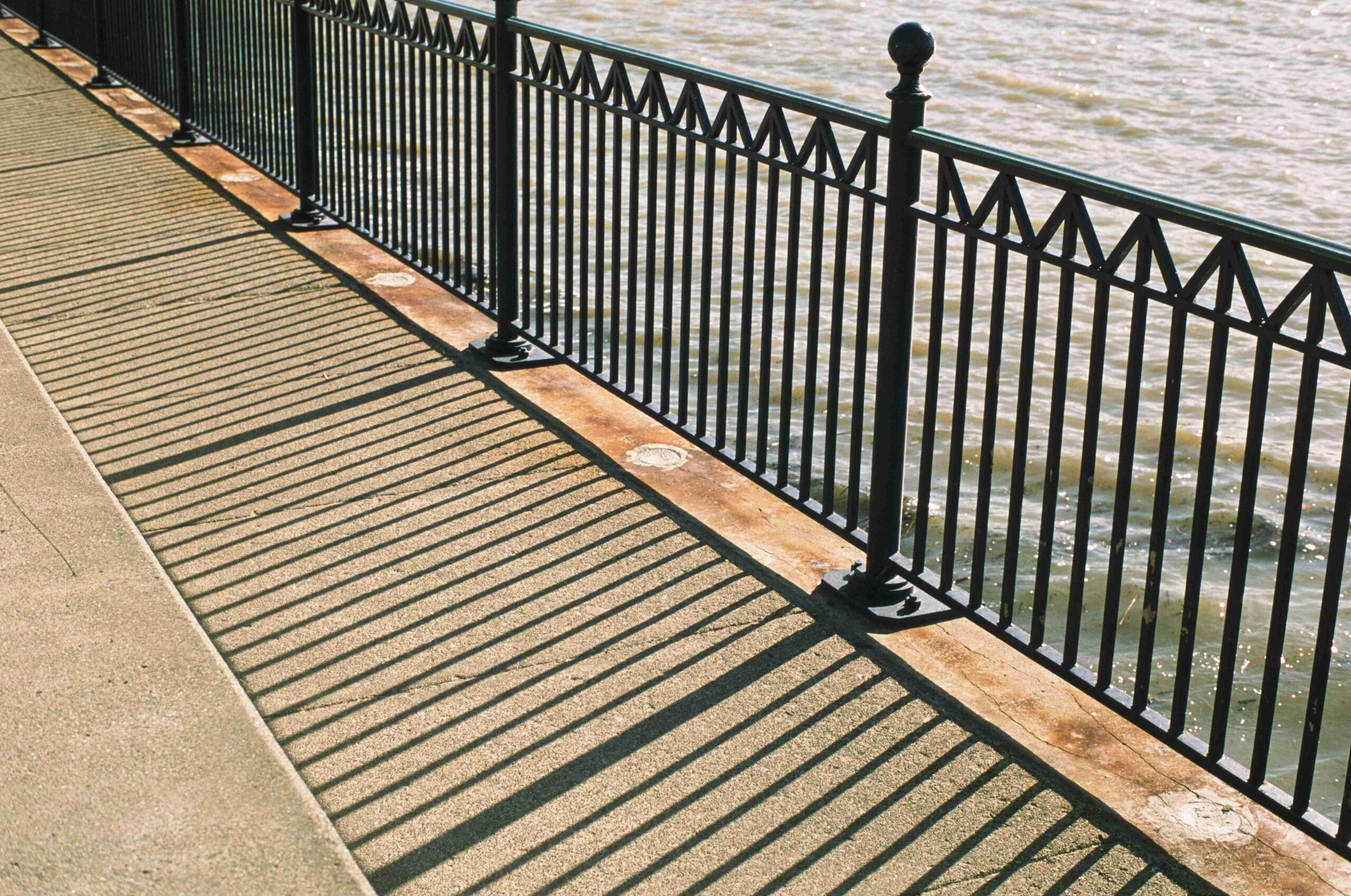

Installing a fence along a curved property line can feel intimidating, especially since most fencing is designed for straight runs. But with the right material and a bit of planning, following a gentle curve—or even a sharper bend—is entirely manageable. Aluminum fencing, in particular, is well suited for this task thanks to its flexibility, ease of installation, and range of design options.
Why Aluminum Fencing Is Ideal for Curved Lines
Aluminum fencing offers several advantages that make it a great choice for irregular property lines:
- Easy installation – Lightweight and designed for DIY projects, aluminum fencing can often be installed over a weekend with basic tools.
- Malleability – Aluminum can be angled within posts and adjusted to follow curves without compromising structural integrity.
- Durability – Resistant to rust and corrosion, it holds up well in any climate.
- Aesthetic variety – Available in multiple styles to match your home’s appearance.
Planning for a Curved Fence
Before ordering materials, take time to measure your property line carefully. Curved runs require more panels than a straight line of the same endpoint distance, because each panel will be angled rather than placed end to end. It’s a good idea to sketch your layout, marking where each post will go, to determine exactly how many panels you’ll need.
If your property includes slopes or changes in elevation, consider whether you’ll need rackable fencing, which allows panels to follow the natural contour of the land.
Installing Along the Curve
Once your layout is planned and materials are on hand, installation follows a straightforward process:
- Set posts at intervals along the curve – Use a string line or marking spray to outline the fence path. Place posts at consistent intervals, angling them to match the direction of the curve.
- Attach panels – Aluminum fence panels are designed to be angled within posts. Each panel can typically be adjusted up to 10 degrees per side, allowing you to follow gradual curves without special modifications.
- Handle tight curves – For sharper bends, you may need to cut a panel in half and insert an additional post. This creates a shorter section that can navigate tighter angles. Never try to bend the fence frame itself—this will damage the panel and result in a poor appearance.
Important Considerations
- Check for underground utilities – Before digging any post holes, confirm that there are no sewer lines, water pipes, or electrical cables beneath your planned fence line. This is especially important with curved layouts, where post placement may not follow a straight path.
- Measure post spacing accurately – Proper spacing ensures that panels fit correctly and the curve flows smoothly.
- Order extra panels – Because a curved fence covers more ground than a straight line, you’ll likely need more materials than a simple linear measurement suggests.
A Manageable DIY Project
With careful planning and the right approach, installing aluminum fencing along a curved property line is a manageable DIY project. The lightweight nature of aluminum, combined with its ability to be angled within posts, makes it far more adaptable than heavier materials like steel or wrought iron. Once your fence is in place, you’ll enjoy a clean, professional look that enhances both security and curb appeal—no matter the shape of your property.