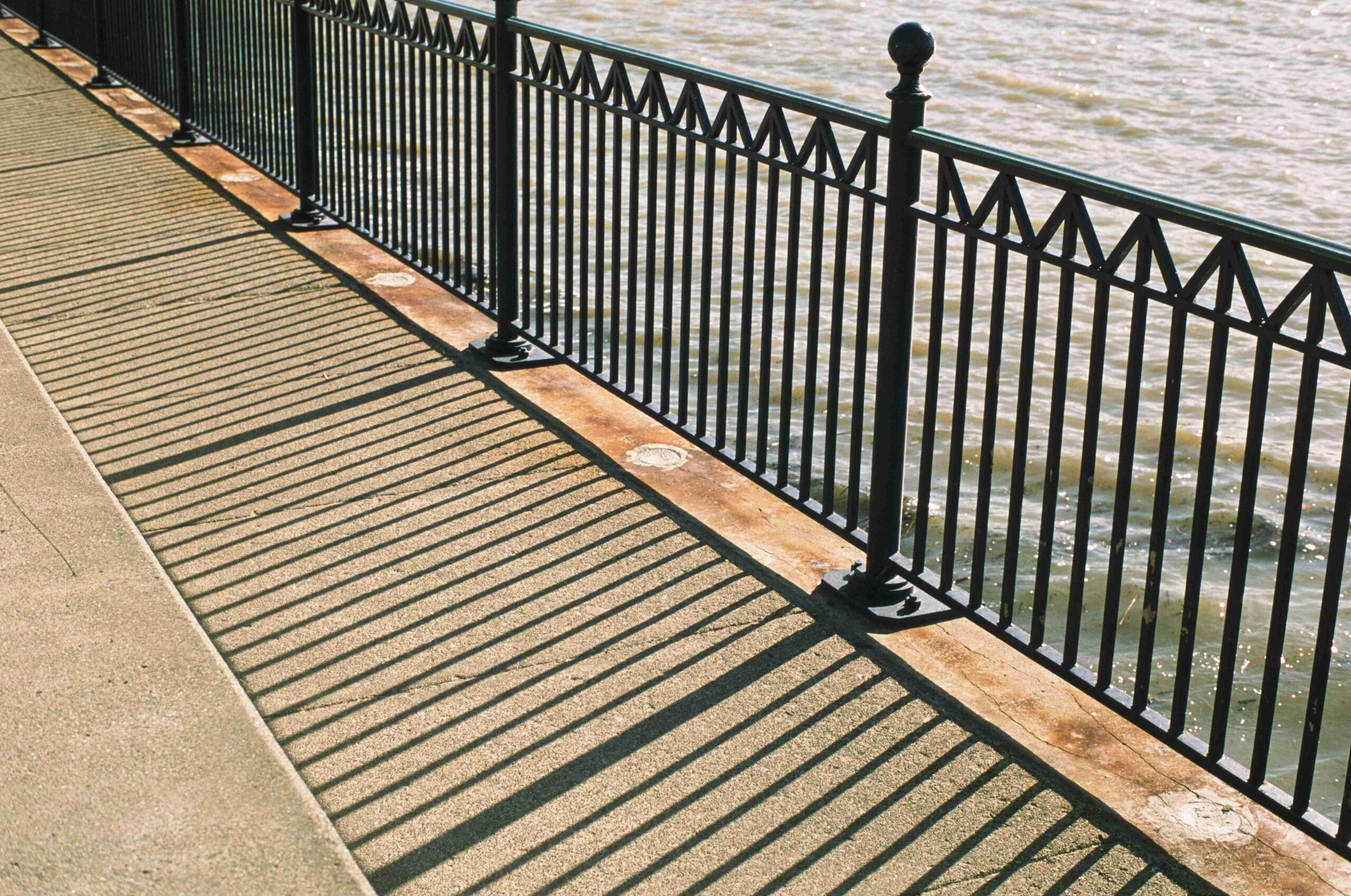

Aluminum fencing has become a top choice for homeowners, property owners, and businesses alike—offering a winning combination of durability, affordability, and style. One of the features that makes aluminum fencing so versatile is the variety of fence post options available. Choosing the right posts for your project helps ensure a clean installation and allows your fence to function exactly as intended.
In this article, we’ll take a closer look at the different types of aluminum fence posts and how to select the right ones for your needs.
Aluminum Posts vs. Traditional Posts
Traditional fence posts, such as those made from wrought iron or steel, typically require brackets and bolts to connect the panels. This can make installation more complicated—especially on uneven ground—and may result in a less polished appearance.
Aluminum fence posts, by contrast, come with pre‑punched holes designed to align perfectly with fence panels. This allows for a neater, more straightforward installation and makes it easier to follow the natural contour of your property.
How to Tell the Difference
Aluminum fence posts are generally available in five standard types, each designed for a specific role in your fence layout. Fortunately, they’re easy to distinguish from one another:
- Line Post – Has two opposite sides punched.
- End Post – Has one side punched.
- Corner Post – Has two adjacent sides punched.
- Gate End Post – Has one side punched and is made of thicker aluminum.
- Blank Post – Has no punched holes and is made of thicker aluminum.
A Closer Look at Each Type
End Post
An end post has holes on only one side, as it is designed to be freestanding at the edge of a fence line. This type works well for installations that have an open section or for fencing meant to define a space without fully enclosing it—such as marking off a patio area in a residential garden.
Line Post
Line posts are the most common type and are used to connect panels along a straight run. They have holes punched on opposite sides, allowing them to join panels on both ends. These are the posts that form the backbone of most fence installations.
Corner Post
Corner posts are used where the fence changes direction—whether at a property corner or to navigate around obstacles like large trees. They have holes punched on two adjacent sides, allowing panels to meet at a 90‑degree angle.
Gate End Post
Similar to an end post, a gate end post is thicker and heavier to provide the extra support needed for a gate. In addition to its heavier construction, it includes hardware connections such as hinges or latches. Gate end posts are essential for creating secure entry points, such as pool enclosures or driveway gates.
Blank Post
Blank posts have no pre‑punched holes and are typically reserved for specialized situations—for example, mounting a gate across a driveway without adjacent fencing panels. Like gate end posts, they are made from thicker aluminum for added strength.
Easy Installation Starts with the Right Parts
Knowing the different types of aluminum fence posts helps you order the correct components for your project and simplifies the installation process. With the right posts on hand, you can work efficiently and ensure your fence is both structurally sound and visually consistent.
Whether you’re installing a simple yard enclosure or a more complex layout with gates and corners, understanding these post types will help you achieve professional results with confidence.