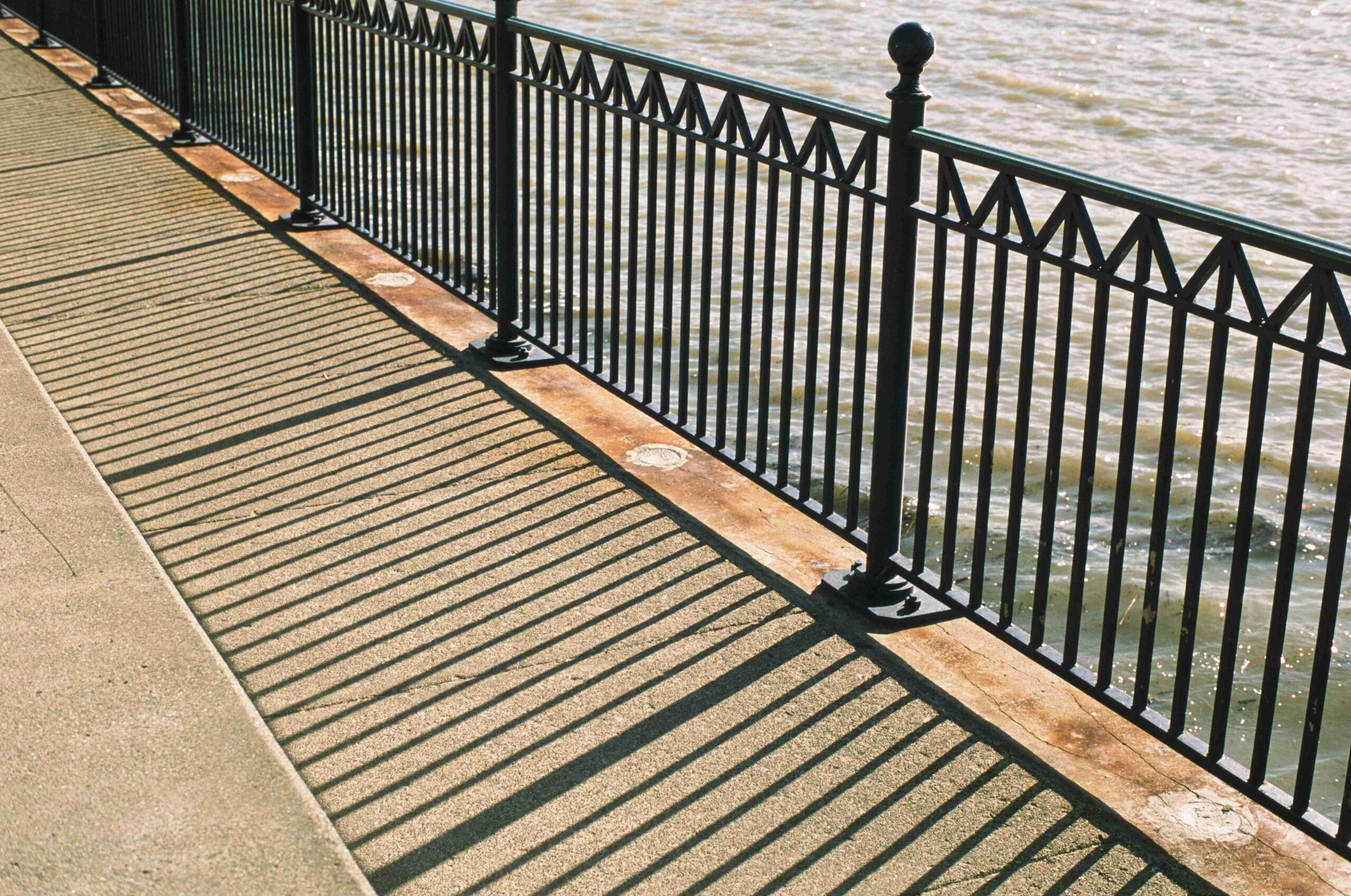

Aluminum fencing offers a durable, low-maintenance solution for a wide range of applications—from family yards and pool enclosures to commercial properties and industrial sites. While browsing your options, you may have come across terms like “residential,” “commercial,” and “industrial.” These categories are not just about where the fence is used; they also reflect differences in construction, strength, design options, and installation requirements. In this article, we’ll break down what sets these three types apart.
Residential Aluminum Fencing
Residential fencing is likely the category you’re most familiar with. Designed for homes, it balances durability with style, offering the widest variety of designs and finishes. Whether you’re looking for a traditional picket look, a modern flat-top style, or something in between, residential fencing gives you plenty of options to match your home’s aesthetic.
Many residential fences are tailored to specific needs. Pool‑safe designs meet BOCA requirements with proper lock mechanisms and picket spacing. Pet‑friendly styles feature tighter spacing at the bottom to keep small animals from slipping through.
Pros:
- Wide range of styles and decorative details
- Lightweight and easy to install—often a weekend DIY project
- Sufficient security for most homes
Cons:
- Less robust than commercial or industrial grades
- May require HOA approval if visible from the street
Commercial Aluminum Fencing
Commercial fencing is built for businesses, retail spaces, restaurants, and other public-facing properties. It is sturdier than residential fencing, with thicker aluminum gauge, larger rails, and closer picket spacing. Many commercial designs include eight metal support ribs for added strength.
While commercial fencing is more function‑focused, some stylistic touches—such as spears or finials—are available. These not only enhance appearance but can also add an extra layer of security. Because the material is thicker, installation is heavier and may require more planning.
Pros:
- Stronger and more secure than residential fencing
- Closer picket spacing offers better containment
- Suitable for high‑value homes or neighborhoods with higher security concerns
Cons:
- Fewer design options
- Heavier to handle during installation
Industrial Aluminum Fencing
Industrial fencing is the most heavy‑duty category, intended for settings that demand maximum security: warehouses, storage facilities, schools, and large estates. It is built with function as the top priority, featuring dense picket spacing, heights up to 10 feet, and often topped with spear designs to deter climbing.
Like all aluminum fencing, industrial options are highly corrosion‑resistant, offering long‑term reliability that contrasts sharply with steel or wrought iron, which can develop rust and weak points over time.
Pros:
- Highest level of security
- Excellent privacy due to dense picket spacing
- Extremely durable and rust‑resistant
Cons:
- Minimal design variety
- Installation requires more effort and planning
Finding the Right Fence for You
Choosing the right aluminum fence comes down to balancing your aesthetic preferences with your security and privacy needs. For most homes, residential fencing offers an ideal mix of style, ease of installation, and adequate security. If you’re in a higher‑risk area or seeking greater deterrence, commercial fencing may be a better fit. Industrial fencing is best reserved for properties that require maximum protection, such as storage facilities, schools, or large estates.
Regardless of which type you choose, aluminum fencing provides a long‑lasting, rust‑free solution that combines practicality with curb appeal—all while remaining easier to install and maintain than traditional materials.