When choosing a fence for your property, the material you select plays a major role in how it performs, how it looks, and how much upkeep it requires. Two of the most common options are aluminum and wood—each with its own set of advantages. Understanding the differences will help you make the right choice for your specific needs.
Appearance
For many homeowners, curb appeal is a top priority. Wood fencing offers a natural, rustic look, but because wood is a natural material, there can be slight variations in color and grain from one picket to the next. Paint can help create a more uniform appearance, though some natural variation may still show through.
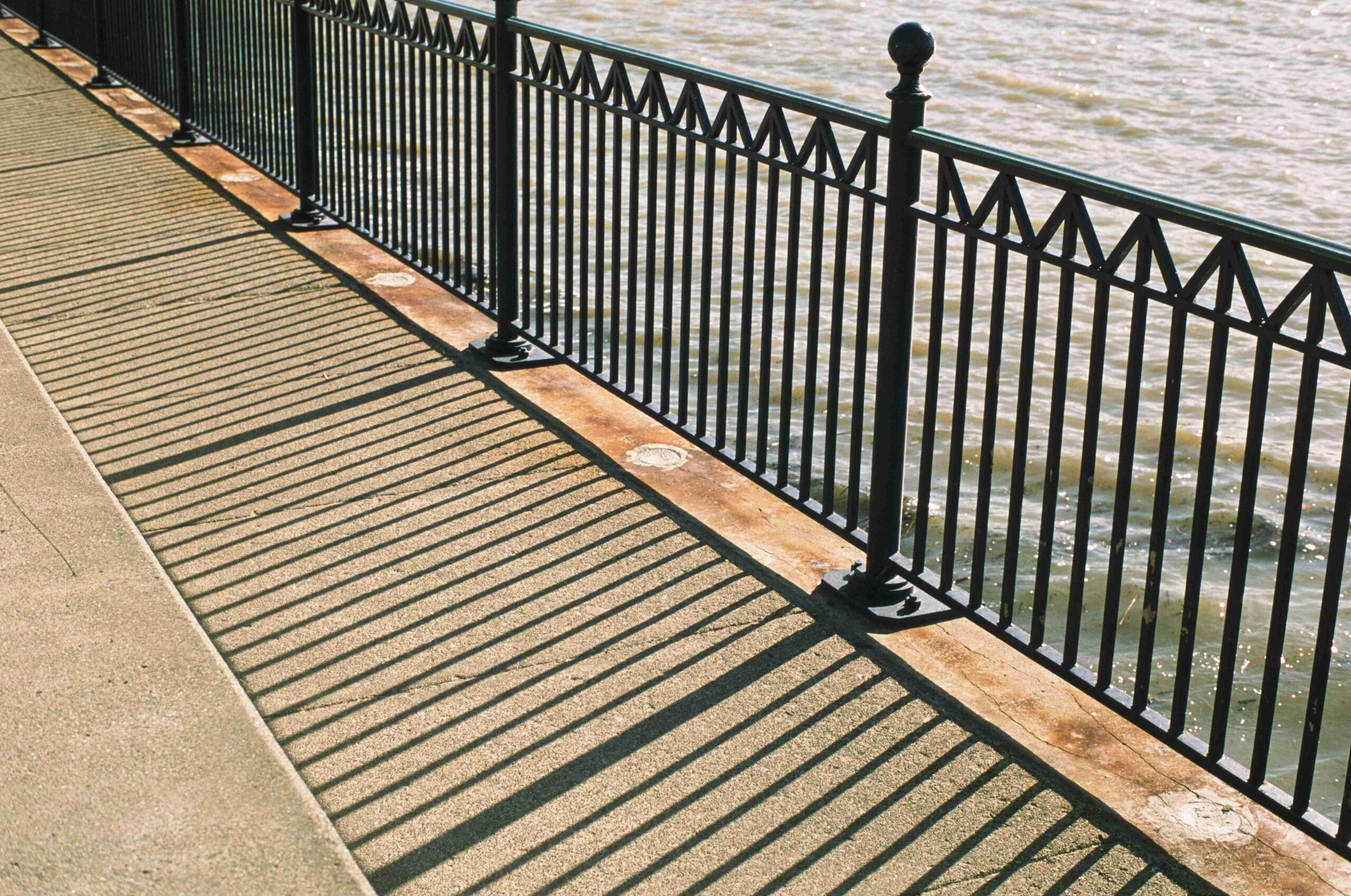
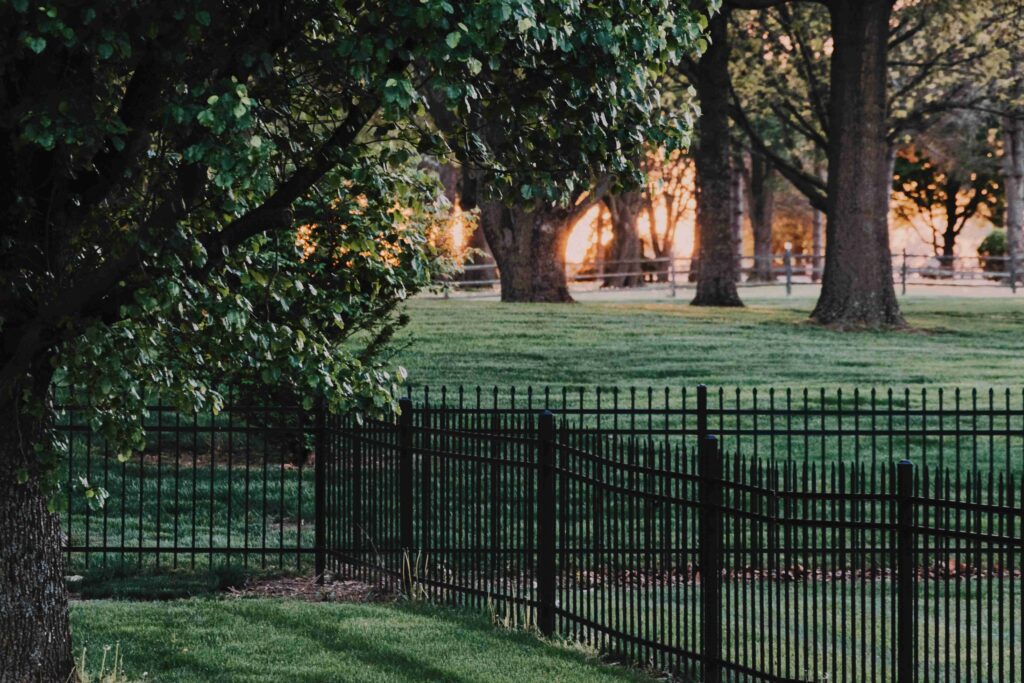
Aluminum fencing, by contrast, delivers a consistent, uniform look across every panel and picket. This uniformity makes it easier to maintain a clean aesthetic over time, and if a panel ever needs replacement, matching the original is straightforward. Aluminum is also available in a wide range of styles, colors, and designs, making it adaptable to various architectural tastes.
Maintenance
Maintenance requirements differ significantly between the two materials. Aluminum is one of the lowest-maintenance fencing options available. Routine cleaning typically involves little more than a quick rinse with a garden hose. Touch-ups for minor scratches are simple, and the fence rarely requires full repainting.
Wood fencing demands considerably more attention. Most wood fences are installed unfinished and must be sealed, stained, or painted within the first month to protect against moisture and sun damage. Refinishing is typically needed every few years. Over time, exposure to the elements can lead to warping, cracking, or rotting, requiring ongoing inspections and occasional board replacements.
Function and Durability
The intended use of your fence often determines which material is better suited for the job. If privacy is your primary goal, wood fencing with solid panels can effectively block outside views. For most other applications, aluminum offers distinct advantages.
Aluminum is highly durable and resistant to weather-related wear, meaning it maintains its structural integrity over time without the risk of warping or weakening. This makes it a strong choice for security applications, as well as for containing children and pets in yards or around pools. Aluminum fencing also supports motorized gate options, adding both convenience and an extra layer of security.
With its combination of durability, low maintenance, and design flexibility, aluminum fencing works well for a wide range of residential and commercial projects. Whether you’re prioritizing longevity, security, or curb appeal, it offers a reliable solution that performs year after year.