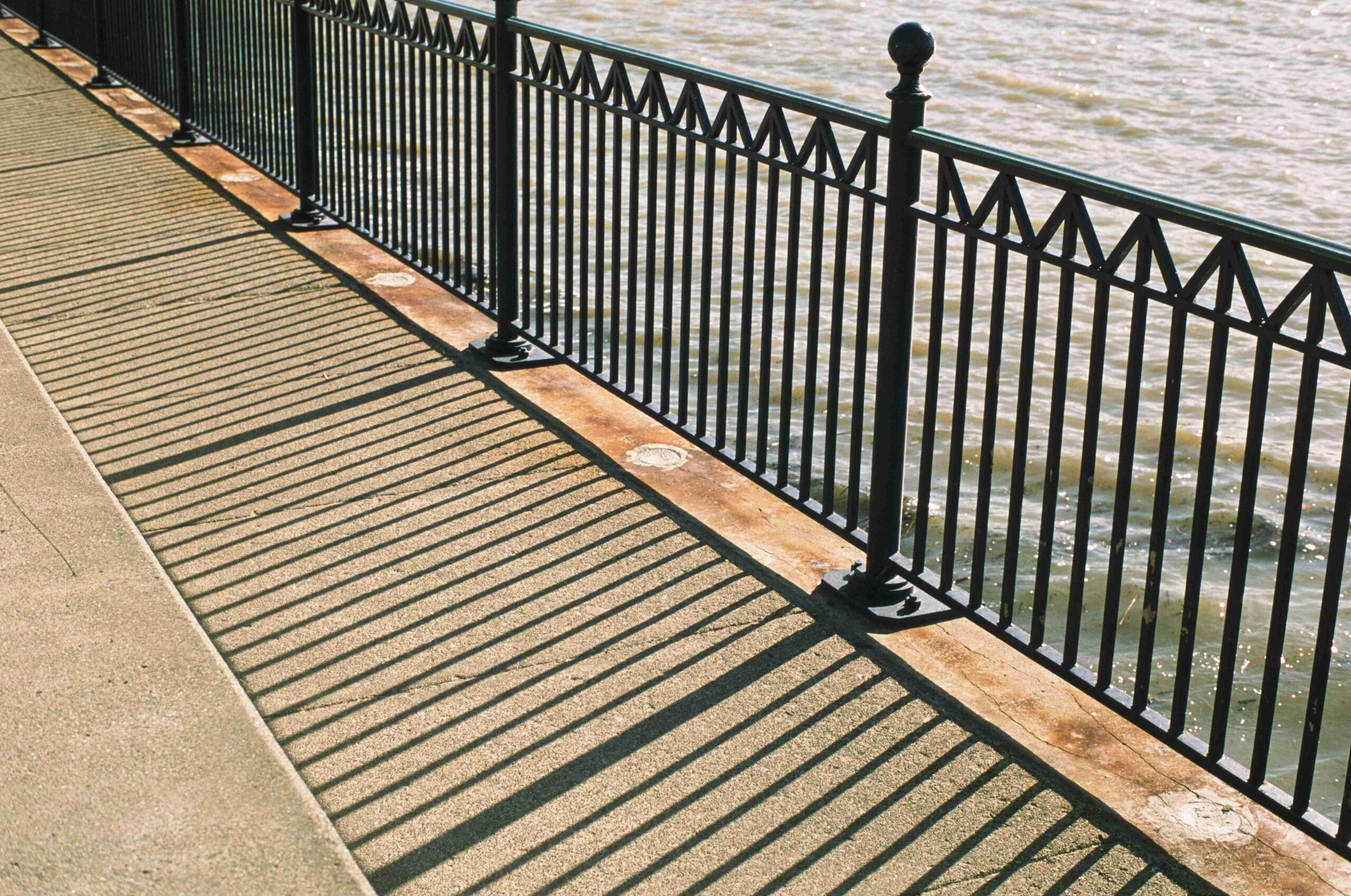
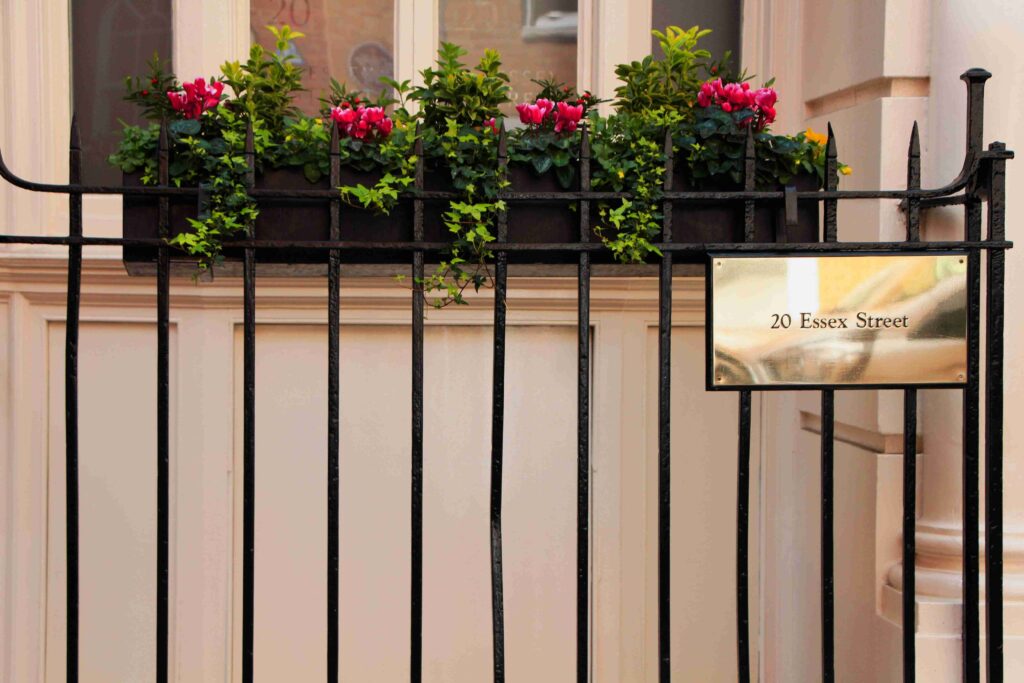
An aluminum fence is a smart investment—one that delivers lasting beauty and durability with minimal upkeep. While it stands up to weather and insects far better than other fencing materials, a little routine care goes a long way in keeping it looking its best.
Why Cleaning Matters
Dirt itself isn’t harmful to aluminum, but dirt often carries fertilizers, lawn chemicals, or grass clippings that can leave stains or dull the finish. A clean fence not only looks better—it preserves the quality of your investment.
Simple Steps for Routine Cleaning
For most residential fences, a garden hose is all you need. Start at the top of each section and work your way down, rinsing both sides. Cleaning from the top prevents streaks and ensures dirt rinses away completely.
For areas with caked-on dirt or light stains, use a sponge with mild dish soap and water. Mix the soap in a bucket rather than applying it directly to the fence. After scrubbing, rinse thoroughly from top to bottom to remove any soap residue, which can harm the finish if left to dry.
If your fence is located near the ocean or exposed to salt air, regular rinsing is especially important to prevent salt buildup.
Once rinsed, you can dry the fence with a soft towel or simply let it air dry.
What to Avoid
Not all cleaners are safe for aluminum fencing. Avoid bleach-based products, solvents, acids, or industrial-strength chemicals that can damage the powder coat finish. Also steer clear of abrasive scrubbing tools like steel wool, which can scratch and dull the surface.
Handling Chips and Scratches
Small chips or scratches in the powder coat can be touched up with exterior paint formulated for aluminum. For larger areas, lightly sand with fine-grit sandpaper—keeping within half an inch of the damaged spot—before applying paint. This helps maintain a smooth, consistent finish.
Don’t Forget the Moving Parts
Gates and other moving components require a bit of extra attention. Over time, temperature changes can cause gates to shift out of alignment. Check them each spring to ensure they swing freely and latch properly. Lubricate hinges as needed and tighten any loose screws. Keeping gates aligned and secured against wind will help them last longer.
Occasionally, fence posts or rails may shift due to ground movement or seasonal changes. If you notice any tilting, gently level and tamp the posts back into place.
Finally, take care when using weed trimmers near the base of your fence—contact can chip the paint. If you use weed killer, avoid spraying it directly on the fence itself.
With just a little routine care, your aluminum fence will continue to deliver the clean, polished look that made it the right choice for your property.