Aluminum fencing is known for being easy to install—often a weekend project even for DIY beginners. But like any significant home improvement, it deserves thoughtful consideration. Asking yourself a few key questions can help you determine whether aluminum fencing is the right choice for your property and which style best suits your needs.
1. Is Aluminum the Right Material for Me?
Aluminum fencing offers several advantages: it’s rust‑resistant, low maintenance, lightweight yet strong, and generally more affordable than other metal options. For most residential applications, it’s an excellent choice.
However, there are situations where aluminum may not be ideal. If your property already has existing fencing made from a different material—such as wood in the front yard—adding aluminum elsewhere could create a mismatched appearance. Consistency across visible areas is worth considering.
2. Where Will the Fence Be Installed?
The location of your fence influences both material and style choices. A decorative picket fence for a front yard might traditionally be wood, while securing an industrial property might call for steel. Aluminum offers a versatile alternative that works well in many settings.
It’s particularly well suited for areas exposed to moisture, such as around pools or ponds, because it resists rust and corrosion. If you’re fencing a pool area, aluminum with a locking gate can provide both safety and peace of mind.
3. What Is the Primary Purpose of the Fence?
Aluminum fencing can serve a wide range of purposes, and knowing your main goal will help narrow down the style you choose:
- Pet containment – Look for styles with tighter picket spacing or lower rails to keep small animals secure.
- Pool safety – Choose designs that meet local safety codes, including self‑closing gates and proper picket spacing.
- Security – Taller, more robust designs with minimal gaps offer greater deterrence.
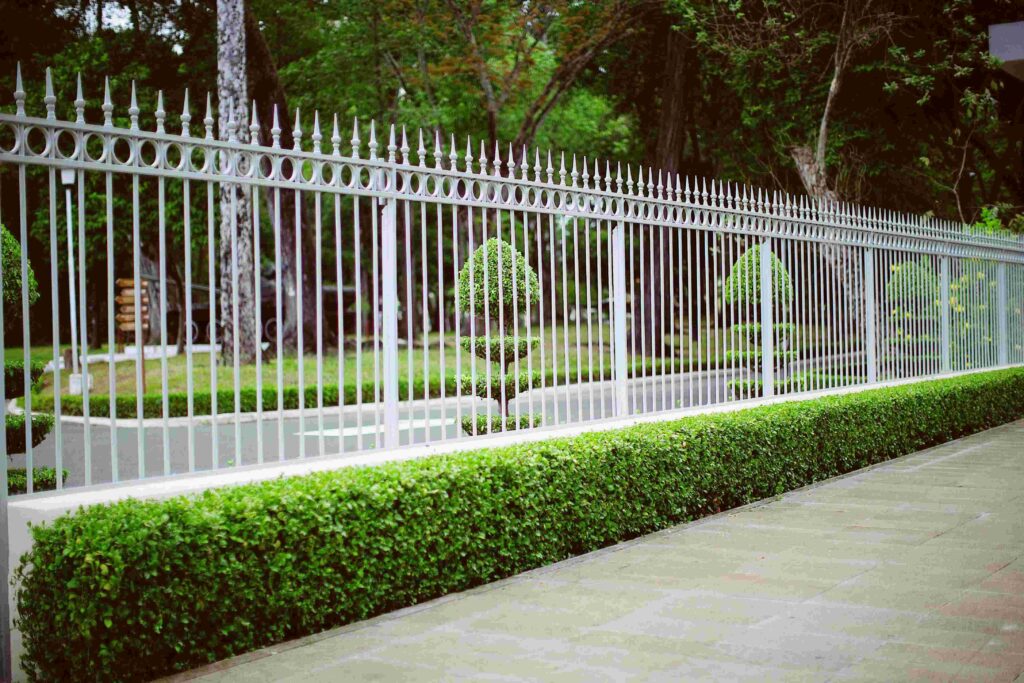
- Curb appeal – Decorative styles with ornamental details can enhance the look of your home.
4. Am I Prioritizing Function or Form?
If security is your top concern, a taller fence with closely spaced pickets and sturdy construction may be the way to go. If aesthetics are more important—perhaps you want to frame a garden or add charm to a front yard—there are plenty of ornamental aluminum styles to choose from. Many designs strike a balance between both.
5. What Is My Budget?
Aluminum is generally one of the most cost‑effective metal fencing options. Still, final costs vary depending on the size of your project, the style you choose, and the supplier. Setting a clear budget beforehand helps you avoid overspending on unnecessary add‑ons and makes it easier to compare options.
Other Considerations
In addition to the questions above, a few situational factors may affect your decision:
- HOA or local regulations – If your home is part of a homeowners’ association or located in a regulated area, check rules regarding fence height, style, and placement before purchasing.
- Property‑specific challenges – Uneven terrain may require rackable panels that follow the slope. Properties with large trees may present challenges for digging post holes. Identifying these factors in advance helps ensure a smoother installation.
Taking the time to consider these questions can help you feel confident in your decision. Aluminum fencing offers a durable, attractive, and low‑maintenance solution for many homes—but choosing the right style and preparing for your property’s unique conditions will help you get the results you’re looking for.